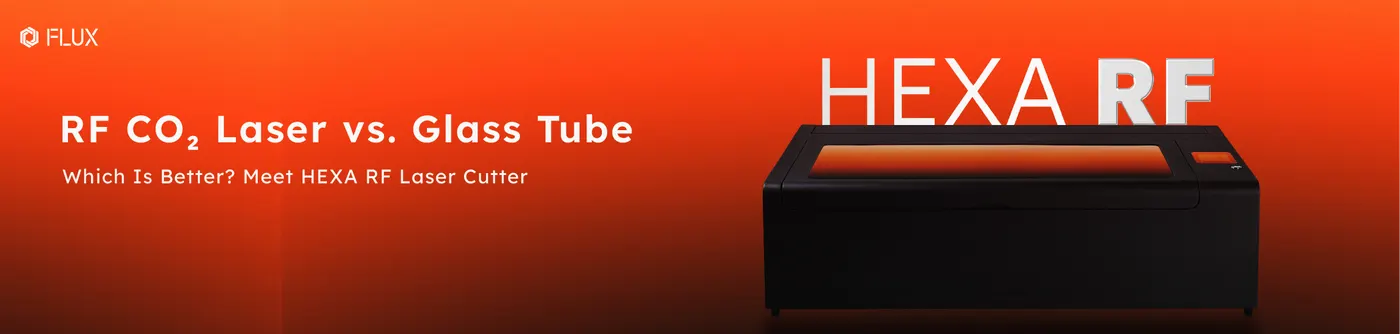
RF CO2 Laser vs. Glass Tube: What Makes HEXA RF Different?
The key differences come down to precision, maintenance, and long-term performance:
- Glass-tube CO2 lasers: Lower upfront cost and suitable for general cutting.
- RF CO2 lasers: Finer engraving, faster pulse control, air cooling, and longer tube life.
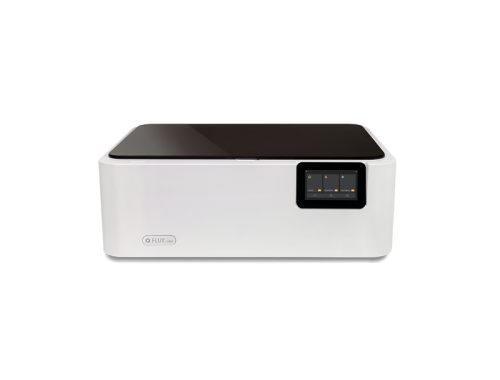
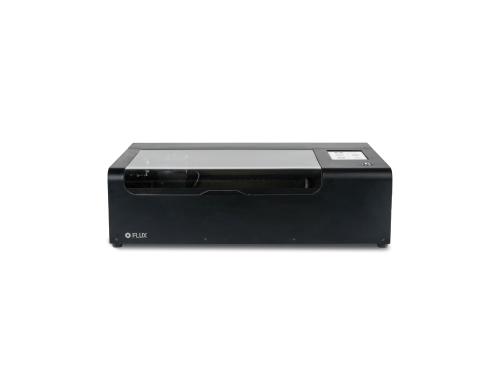
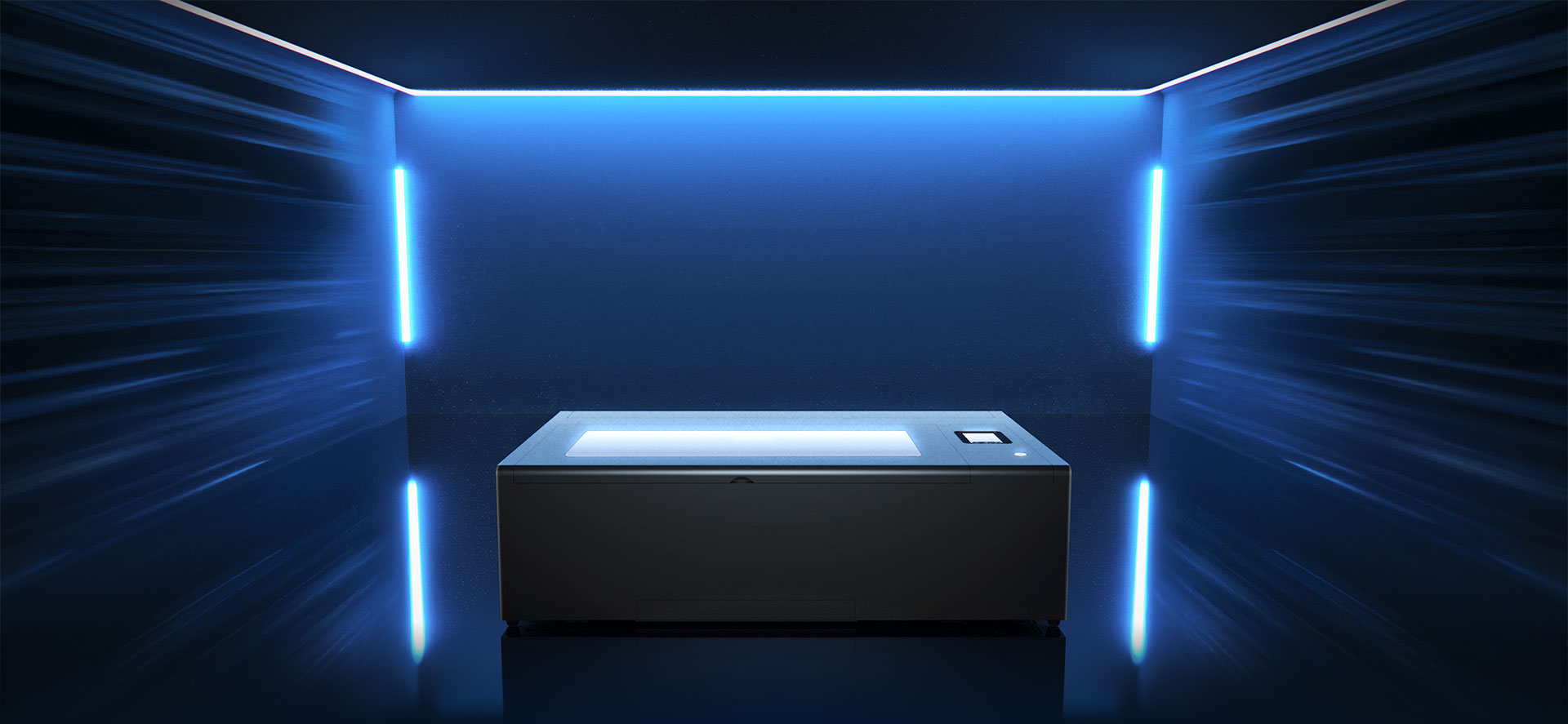
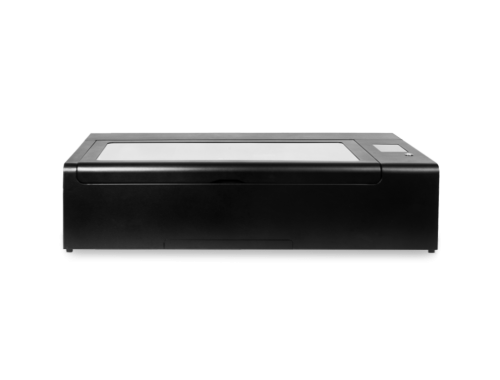
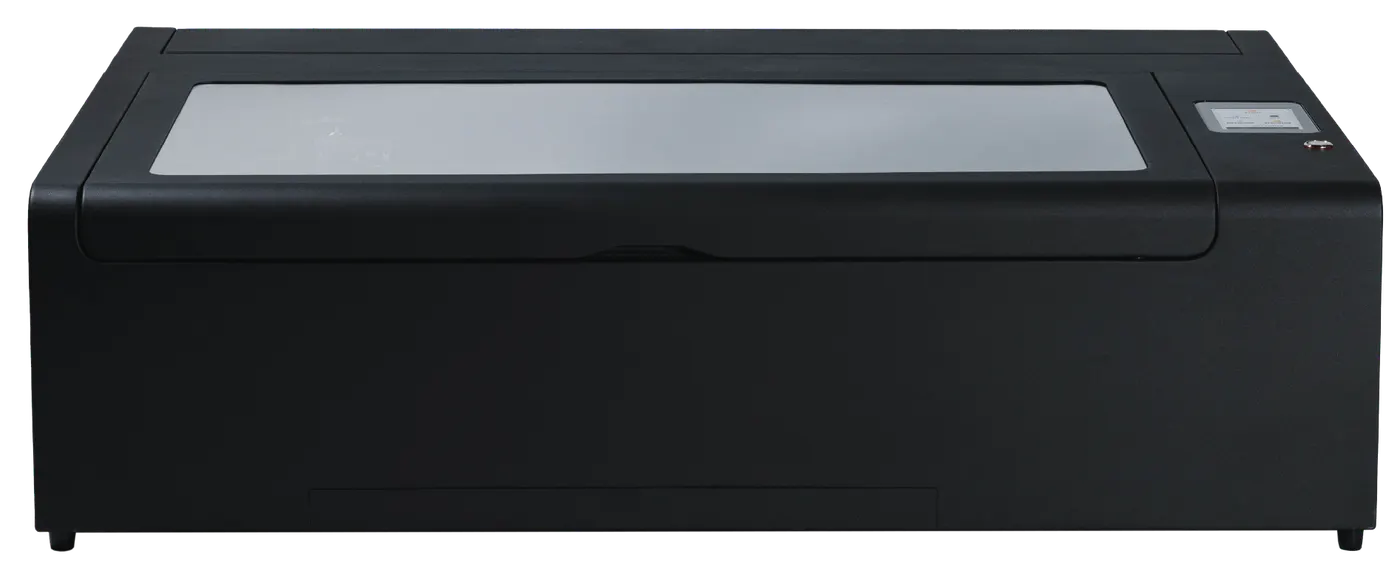
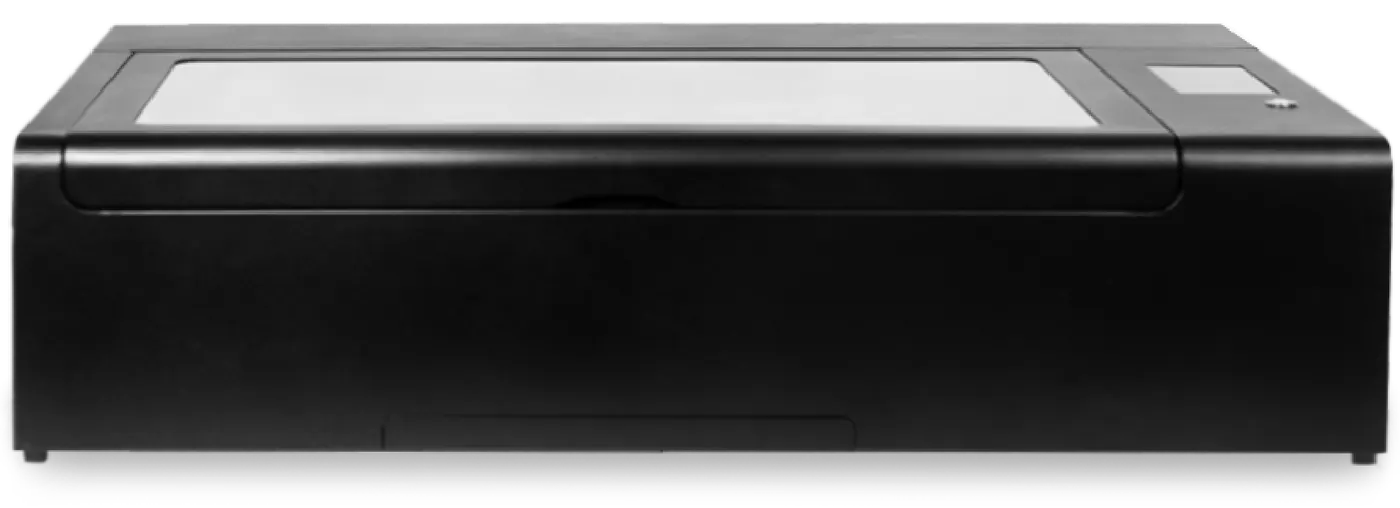
- FLUX HEXA RF: A professional RF CO2 laser designed for detailed engraving and high-volume production.
What Is an RF CO2 Laser?
What does that mean in actual use?
- Finer control: Rapid laser pulses produce sharper lines and more detailed engraving.
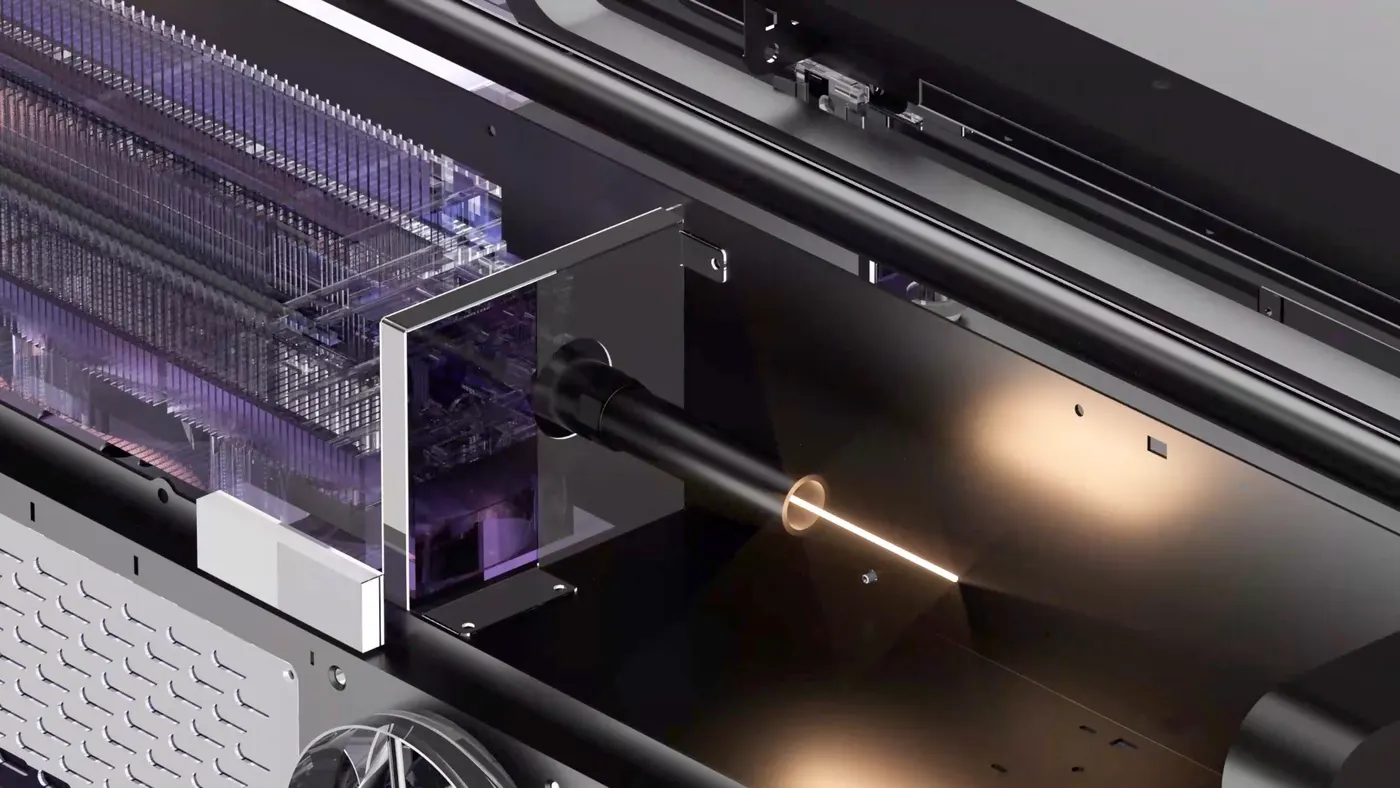
- Less maintenance: Air cooling eliminates routine cooling-water replacement.
- Longer service life: RF metal tubes generally last longer and may be recharged when their output declines.
- Familiar applications: It still processes common CO2 laser materials such as wood, acrylic, leather, paper, fabric, rubber, glass, and stone.
RF vs. Glass Tube: What’s the Difference?
The simple takeaway
Choose a glass-tube laser if:
- You want a lower initial investment.
- Need general cutting and engraving.
- The machine will only be used occasionally.
Choose an RF CO2 laser if:
- Fine engraving quality is important.
- You run frequent or high-volume production.
- Reduce cooling-system maintenance.
- You are looking for longer-term reliability.
Why Choose HEXA RF?
1. Less cooling-system maintenance
HEXA RF uses integrated air cooling, so there is no need to:
- Replace cooling water
- Monitor coolant quality
- Maintain an external water chiller
- Worry about improper water circulation damaging the tube
2. Up to 20,000 hours of tube life
The HEXA RF metal laser tube offers an estimated service life of up to 20,000 operating hours.
When its output eventually declines:
- The tube may be recharged.
- The entire tube does not necessarily need to be discarded.
- Businesses can reduce downtime caused by frequent tube replacement.
Actual service life depends on usage, operating power, environment, and maintenance conditions.
20,000 hours
Stable performance
2,000 DPI
Stunning Detail
0.07 mm
Incredibly fine beam
2,000 mm/s
Faster than ever
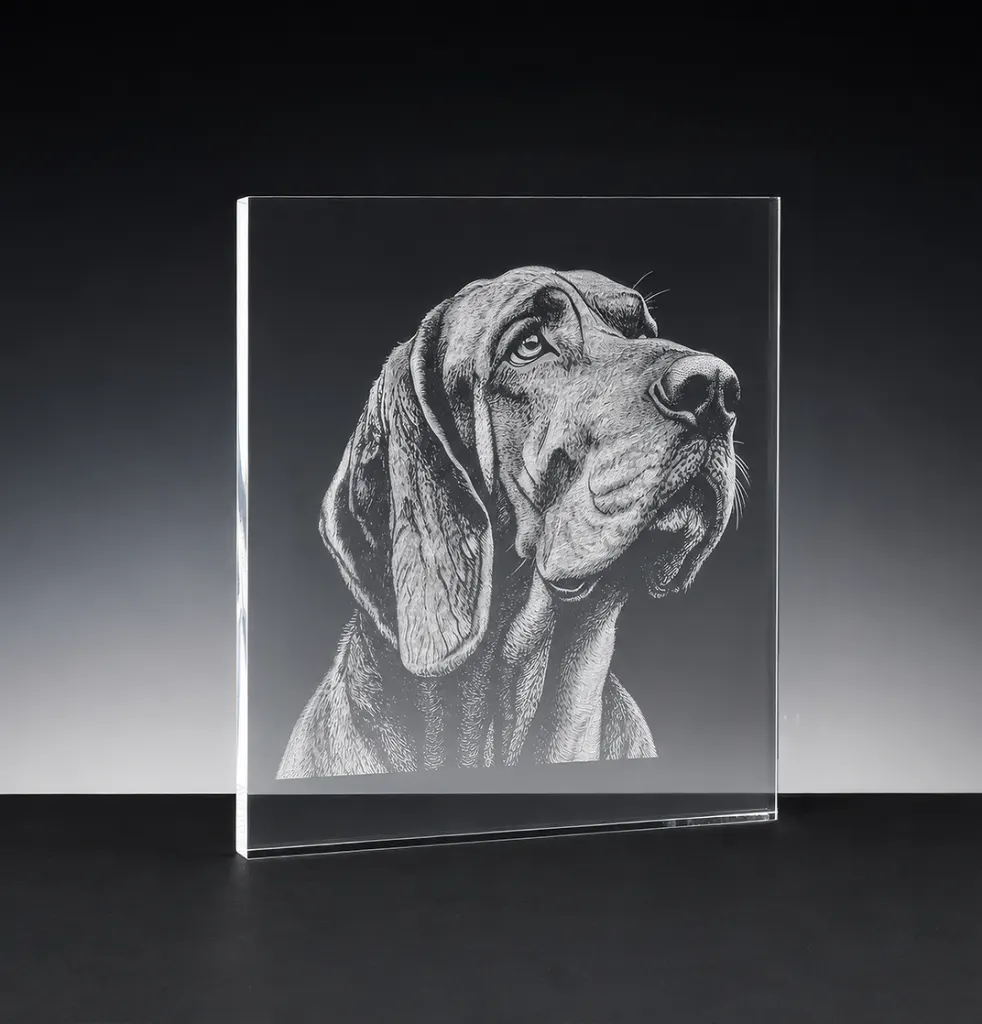
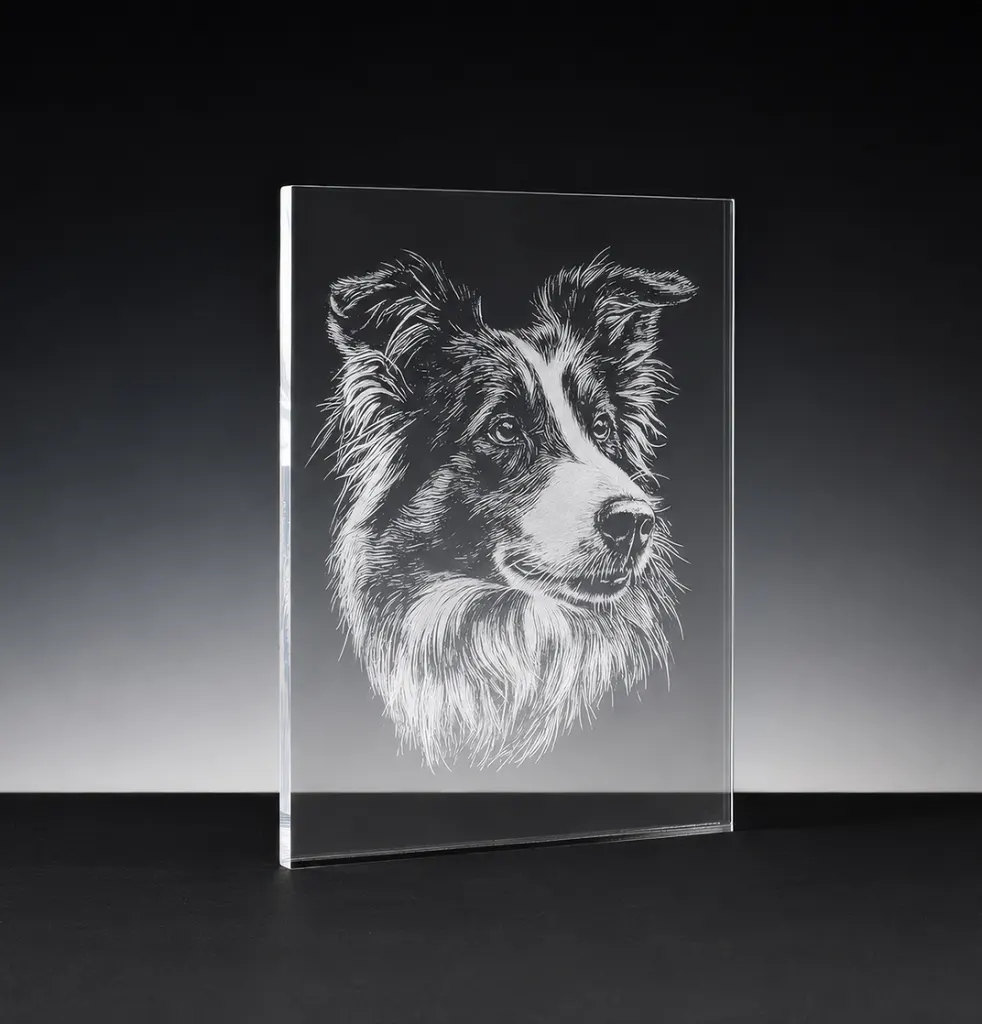
3. Up to 2,000 DPI
HEXA RF is designed for work that requires small details and consistent results:
- Laser spot as small as 0.07 mm
- Resolution up to 2,000 DPI
- Clear small text
- Sharp fine lines
- Detailed grayscale images
- Consistent results across batch production
4. Speeds up to 2,000 mm/s
Higher engraving speed helps businesses:
- Complete batch orders faster
- Reduce production time per item
- Handle larger order volumes
- Maintain detailed results at higher throughput
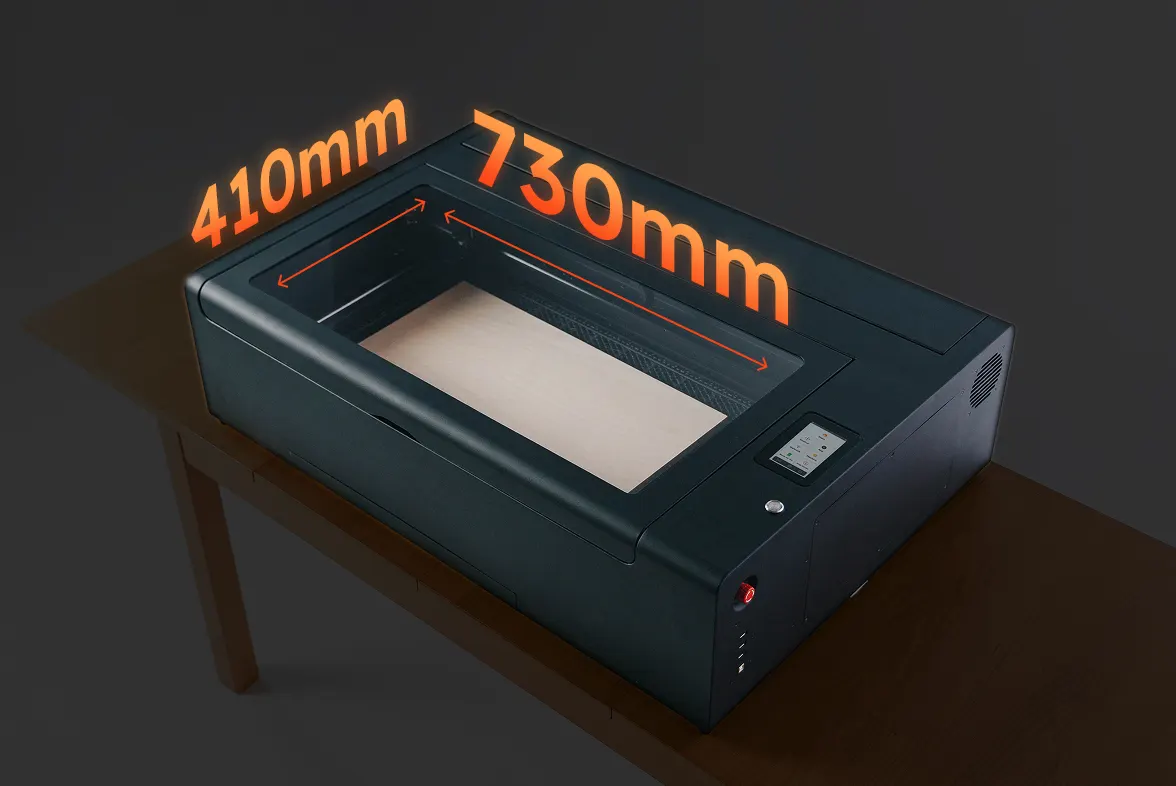
5. Large work area for production
The 730 × 410 mm work area allows users to:
- Process larger designs
- Arrange multiple products in one job
- Reduce repeated setup and alignment
- Produce signs, packaging, displays, and personalized products more efficiently
What about acrylic cutting?
3 laser power for you to choose
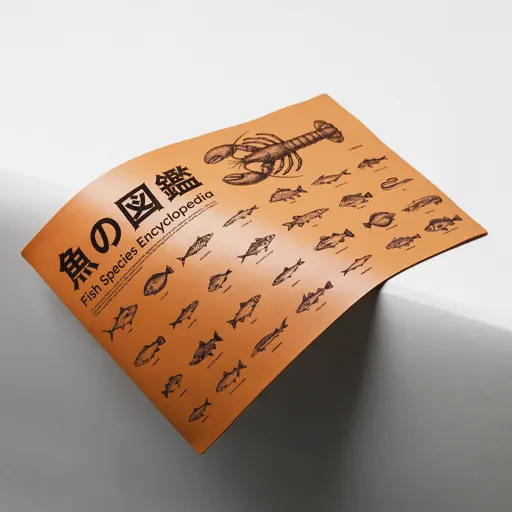
What Materials Can HEXA RF Process?
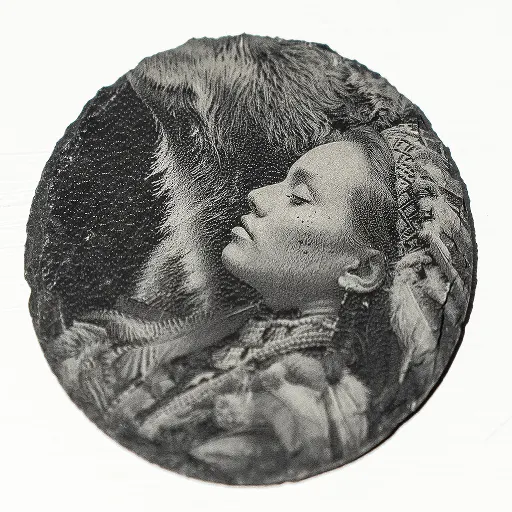
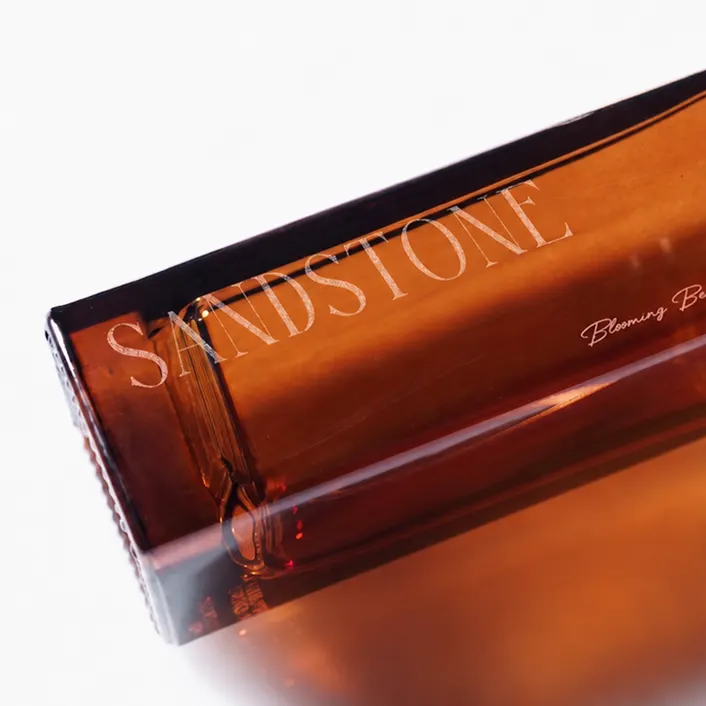
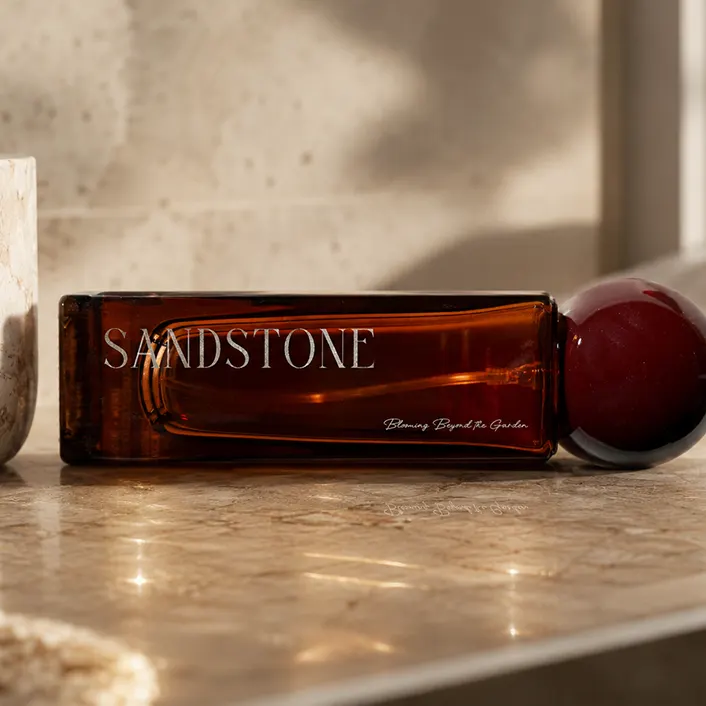
HEXA RF works with a wide range of CO2-laser-compatible materials.




Frequently Asked Questions
Is an RF laser the same as a CO2 laser?
An RF CO2 laser is a type of CO2 laser. "CO2" describes the laser medium, while "RF" describes the radio-frequency method used to excite the gas.
Does an RF CO2 laser require water cooling?
HEXA RF uses integrated air cooling and does not require routine cooling-water replacement or an external water chiller.
Can an RF CO2 laser cut metal?
No. The term "metal tube" describes the construction of the laser source. HEXA RF is primarily designed to cut and engrave non-metal materials. It can engrave certain coated or anodized metals but does not directly cut metal.
How long does the HEXA RF laser tube last?
The HEXA RF laser tube has an estimated service life of up to 20,000 operating hours. Actual lifespan depends on operating power, usage, environment, and maintenance.
Is an RF laser better than a glass-tube laser?
An RF laser is generally better for detailed engraving, frequent production, lower cooling-system maintenance, and longer tube life. A glass-tube laser may be more suitable when lower upfront cost is the main priority.